Finding the Balance: Speed, Quality, and Aftercare in the Era of AI Thermal Management
In today’s rapidly evolving data center landscape, AI infrastructure is pushing rack densities to unprecedented levels. As a result, thermal management has become the ultimate gatekeeper of data center performance. Facility operators are facing immense pressure to deploy high-capacity cooling solutions faster than ever before to keep up with climbing power allowances. Often, this translates into a perceived trade-off: prioritize the sheer pace of deployment above all else, and worry about the integration, controls, and operational realities of the cooling system later. But for data center end-users, that trade-off is a false economy. The holy grail of modern thermal management …
Beyond Traditional DCIM: The Shift Toward Cooling-Focussed Simulation and Digital Twins
As data centers evolve to accommodate artificial intelligence (AI) and high-density computing, operators are facing a critical challenge: managing unprecedented thermal risks and cooling demands. In this rapidly changing landscape, traditional monitoring tools are no longer enough. Data center infrastructure management (DCIM) is undergoing a significant transformation, moving from static asset tracking to dynamic, predictive simulation. In this article we look at what DCIM is and how the market is shifting to accommodate the future needs of data center operations. The Role of DCIM Traditionally, DCIM software has been the broad platform used to monitor, measure, and manage data center …

Strategies To Maximize Cooling Efficiency
Cooling accounts for a significant share of data center energy use. Even modest efficiency improvements can lead to meaningful reductions in OPEX and carbon output. While IT hardware is advancing rapidly, cooling strategies often fall behind, hampered by legacy systems, siloed decision-making, and outdated assumptions. Airedale by Modine sees cooling efficiency as a system-level discipline, beginning with thoughtful design and continuing into day-to-day operation. This approach focuses on how components interact, systems scale with demand, and control strategies evolve over time. True efficiency results from aligning infrastructure, intelligence, and intent. Assessing the Efficiency Baseline Before you can improve, you need …
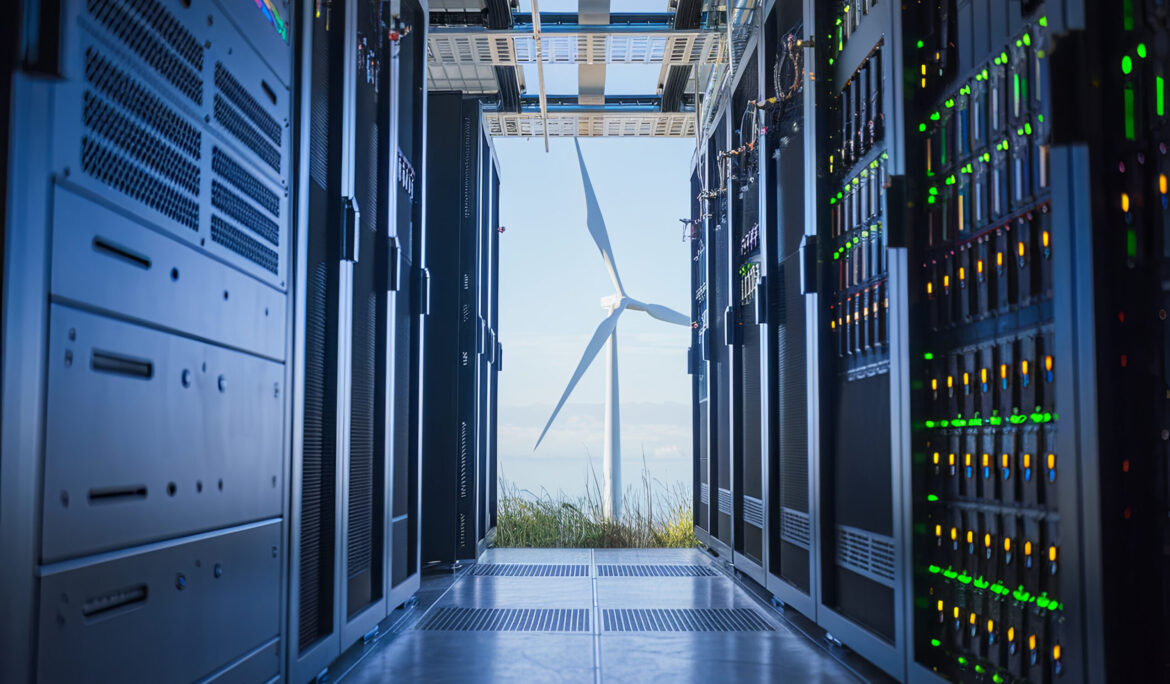
Embodied Carbon – Why it Matters for Data Center Sustainability
As the built environment aims for net zero, attention is rapidly shifting beyond operational energy to include the embodied carbon of products and systems – especially critical cooling equipment, which plays a major role in both construction and long-term building performance. At Airedale by Modine, we’re committed to supporting our customers on their journey to decarbonize buildings. That’s why we’re embracing methodologies like TM65, calculating the embodied carbon of our products, and working toward the development of carbon life cycle assessments (LCAs) and environmental product declarations (EPDs) to drive transparency and continuous improvement. But what exactly do these terms mean …
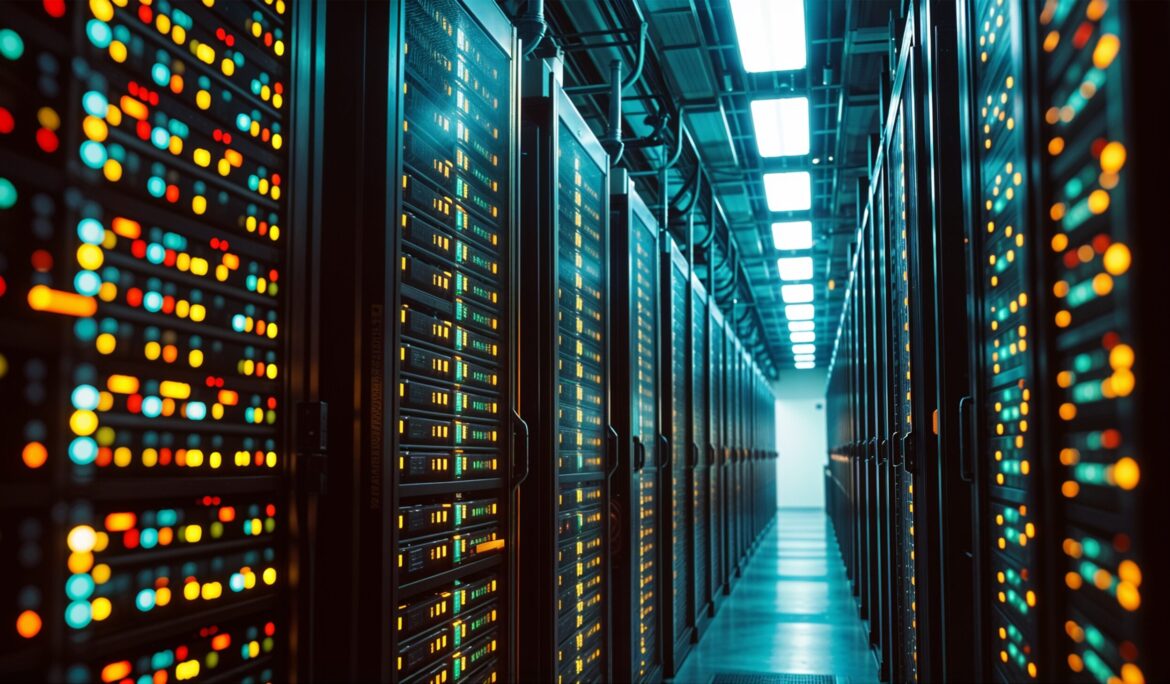
Retrofitting Legacy Data Centers for Efficient Cooling
Legacy data centers weren’t built for today’s workloads. High-density compute, accelerated AI models, and increasingly stringent sustainability metrics strain systems that were considered state of the art not long ago. Inadequate cooling infrastructure is often the limiting factor: inefficient, rigid, and unable to scale to meet demand. Building an entirely new facility isn’t always an option. Full facility rebuilds are rarely feasible due to budget constraints, operational risks, and space limitations. Instead, you can pragmatically solve your cooling problems by retrofitting your existing space. These targeted cooling upgrades can lower the risk of disrupting operations and introduce measurable performance improvements. …