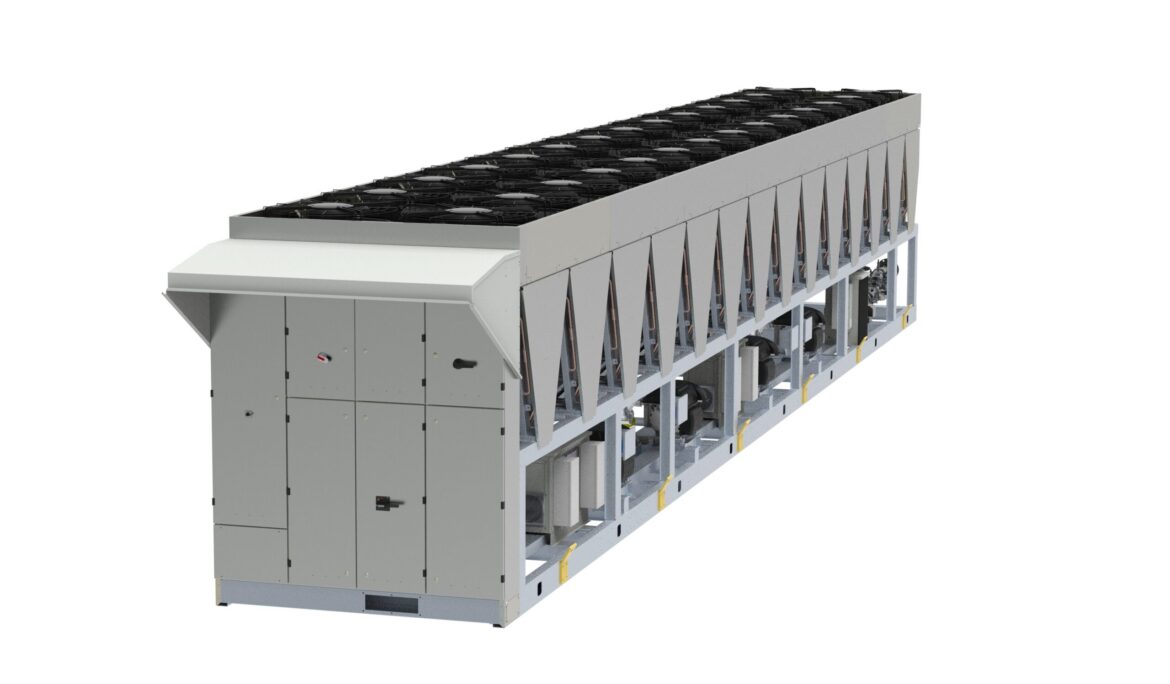
Airedale by Modine™ Launches TurboChill™ 3+MW, Advancing Air-Cooled Efficiency for AI Data Centers
Airedale by Modine Announces Stainless Steel Extension of TurboChill DCS Chiller for Liquid Cooling Data Centers …
2026: What’s on the horizon for Data Center Cooling?
As we look ahead to 2026, it’s a natural moment to reflect on the fast‑shifting world of data centers. Highlighting the innovations poised to push the field forward, the areas where progress has slowed, and the developments we expect will shape the industry as we navigate an increasingly dynamic market. The Emergence from Stagnation Across the European Data Center Landscape Across Europe, the conversation surrounding the infrastructure necessary for a digital future underpinned by AI leadership is evolving. While the continent possesses remarkable talent, resources and innovative companies, it currently faces distinct challenges in the global AI “arms …
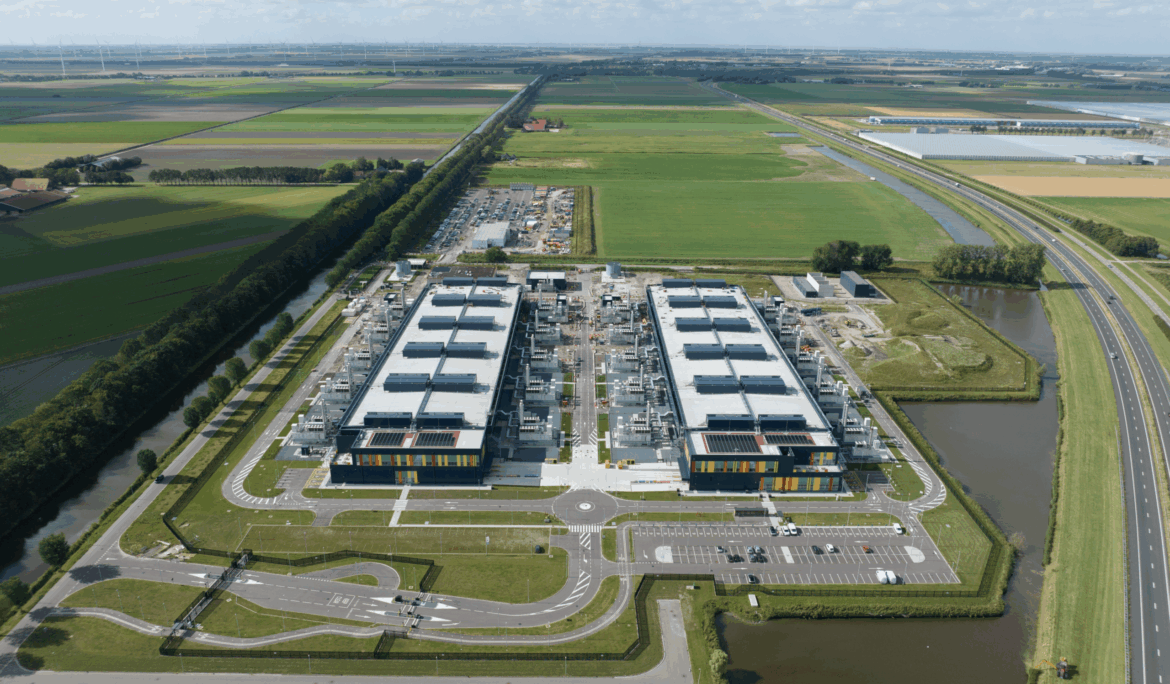
Americans Aren’t Saying ‘No’ to Data Centers; They’re Saying ‘Do It Right’
New data from Airedale by Modine reveals the practical conditions that turn neighbors into supporters Americans aren’t rejecting data centers; they’re asking developers to do them right. Support for data centers hinges less on distance than on what facilities deliver to their communities. When presented with a choice between a data center one mile away that provides tangible benefits or one eight miles away that offers nothing, most Americans choose proximity with purpose. Earlier this year, we published the Data Center Neighborhood Survey Report showing that 70% of Americans are comfortable with data centers within a few miles of their …
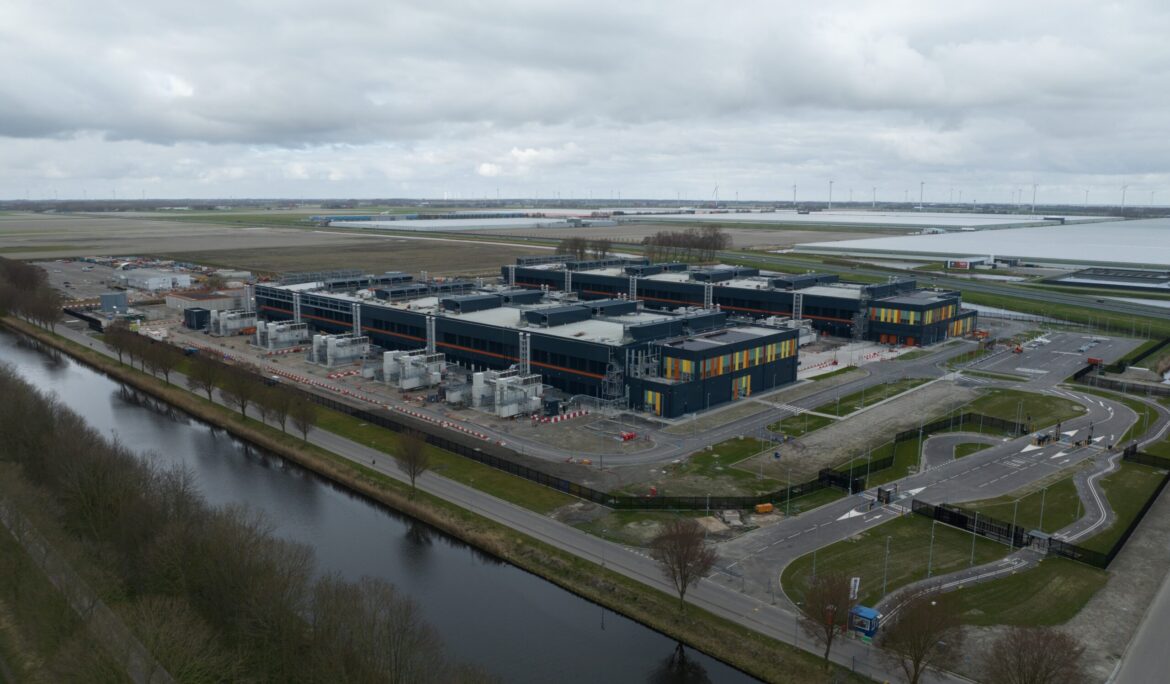
Balancing Redundancy with Sustainability to be Both Resilient and Efficient
Data centers run 24/7 and are now caught between the Service Level Agreements that demand 99.999% uptime and the ESG report that scrutinizes every kilowatt of energy used. Meanwhile, your board wants both redundancy and a path to net-zero emissions. Traditional wisdom suggests you can’t have both, as every redundant backup chiller and N+1 configuration pushes you further from sustainability targets. That wisdom is outdated because smart operators are rewriting the rules. They’re already achieving Tier 3 redundancy while driving PUE below 1.3. They’re meeting stringent uptime requirements without sacrificing their sustainability commitments. The old trade-offs no longer apply when …
Water Usage Effectiveness: Quantifying the Impact on Sustainability
Water usage effectiveness (WUE) is a metric introduced to the industry by The Green Grid, a global consortium dedicated to advancing energy efficiency in data centers. Designed to address the global concerns of water scarcity, it measures how efficiently a data center consumes water- a critical measurement for today’s sustainability-focussed landscape. Analysed in conjunction with power usage effectiveness (PUE), the two metrics form an overall picture that allows data center operators to make more impactful decisions that can form part of a meaningful sustainability strategy. Water Usage in Data Centers? The main uses of water in a data center are …